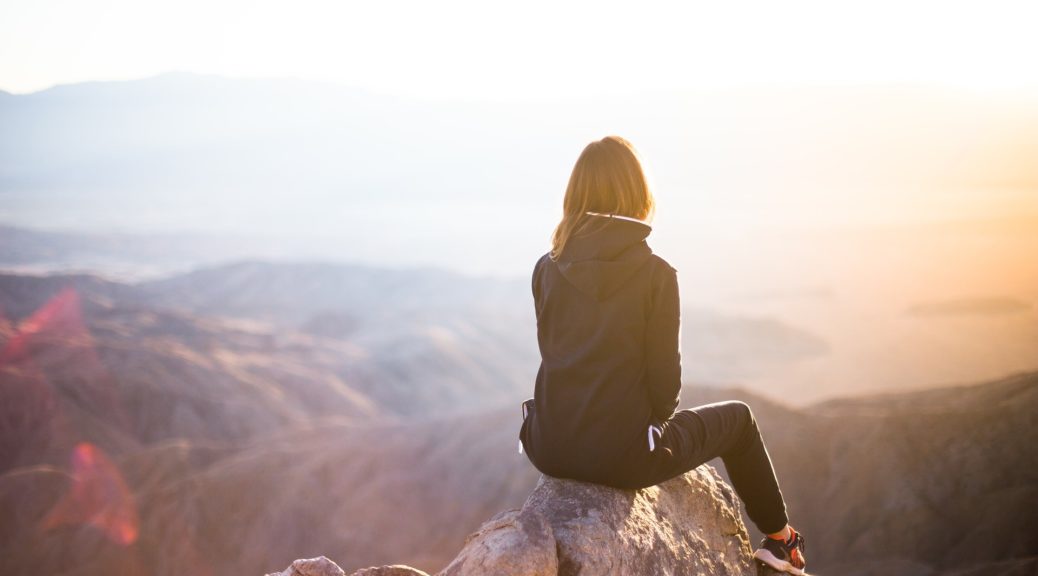
Solo Traveling: Pros and Cons of Going It Alone
When did I first go somewhere alone? As far as I remember, it was a trip to Germany on a paragliding trip. Back then – about 12 years ago – it wasn’t as easy to go abroad as it is now, and not many of my friends went. And not only because there was no money – it’s hard to remember now, but back then you had to get a visa for that, and it was very difficult. At that time, I had both the first and the second. Plus, theoretically, friends were waiting for me there, albeit only virtually, but like-minded people. And most importantly, I really wanted to go to this event, so it wasn’t scary – the desire overcame any fears.
I remember staying in an apartment in Berlin with a cool host through Couchsurfing. And at the airport I lived in a tent – which is usually unacceptable for me, but there were great showers and toilets nearby in the terminal, so it was very comfortable. And one day I flew back and forth from East Germany to West Germany – to see a classmate in Cologne. Overall, the trip was great.

That’s where it all started, and then there was no stopping me: now solo travel is my love. Yes, of course, traveling with someone, especially with a loved one, is also wonderful. But, I think, even if I have a family, I will always go somewhere alone, at least sometimes. And here’s why.
Top 5 benefits of solo travel
1. No need to adjust. No need to wait for someone to have a vacation or weekend. Discuss whether you like the chosen accommodation option or not. And so on.
2. It follows from the first: even at the last moment you can choose a cheaper flight option – not for the dates that suit someone, but for those when there are options at a low price. Tip: after you have decided on a trip, simply select the option to track ticket prices for a month on Skyscanner, turn on email notifications about changes, and stop as soon as these prices suit you. Almost always, you can grab an option that costs about the same as tickets purchased in advance (which is the most effective way to buy cheaper).
3. Rest from your surroundings. Agree, even your most beloved half can sometimes get tired. And even the coolest friends and, sorry, even children, sometimes get tired. The opportunity to briefly break out of your circle is priceless.
4. Freedom of choice. When you don’t have to adjust to anyone’s rhythm and tastes during your trip, it’s simply fantastic. You can plan your day however you want: run around the sights in a “get-to-get-everything” rhythm, or, on the contrary, spend half the day in bed. You can walk fast or slow. You can’t go three times a day, but whenever you want. The possibilities are endless.
5. Getting to know yourself. Usually, most of us rarely come face to face with our own “self.” And even when we’re alone, we often continue to have internal dialogues with the people around us. Solo travel is a great opportunity to try to communicate only with ourselves. Yes, of course, you can’t stay alone here either: meet new people, continue to communicate with those who stayed at home. But ideally, try to give up everything and everyone and feel like, for example, the hero of a travel movie. Just imagine: you are in a place where no one knows your name and most likely doesn’t even speak your language. You can be whoever you want. Play this game.

Top 5 Disadvantages of Traveling Alone
1. It’s expensive. Yes, our world is still designed for at least two. The cheapest hotel rates are not for single rooms, but for double rooms. And the former are not always even provided for in principle! When traveling somewhere with a group, you can save even more, for example, by renting an apartment on Airbnb: if you divide its cost among several people, it will be cheaper than any hotel. When renting an apartment alone, you pay the full price yourself. The same applies, for example, to renting a car.
2. Potential danger. I have not yet had to face any safety problems when traveling solo, but logic suggests that it may be easier to cope with a problem with someone than alone. You don’t even need to imagine any extraordinary situations. Let’s say you get sick or sprain your ankle. Of course, it will be easier to cope when there is someone close to you.
3. Full responsibility. When traveling with someone, you usually divide responsibilities in one way or another. For example, someone is responsible for choosing accommodation. Someone organizes leisure activities, and so on. If something goes wrong, you can always file a claim with your partner and wait for the problem to be resolved by the other. When traveling alone, you will have to do everything exclusively on your own.
4. Lack of photos. Yes, yes, for some this may be a decisive factor: on a solo trip there will be no one to take pictures of you. Well, unless you cling to the appropriate request from passers-by. But usually a solo trip is a lot of photos from the trip itself, but almost all of them are without you. Except for selfies, of course.
5. Loneliness. There are people for whom solo traveling is contraindicated. These are people who are simply afraid, do not know how or do not like to be alone with themselves – there are such people. Yes, of course, on any trip you will encounter other people in one way or another. You can always meet and chat with someone new. But if you are not very comfortable being alone – of course, it is better not to even try.

Safety Rules
- Take care of the organization. In fact, I personally love this: going wherever your eyes see, stopping for the night where you like. But it is usually more expensive than the option with a pre-booking. And, in my opinion, it is more suitable for traveling not alone. When going somewhere solo, it is still better to choose in advance where you will live, check the chosen option, and share information with loved ones who are staying at home. Let them have all the information about the route of your trip, the places where you will be at each moment of time, etc.
- Plan transfers. The more carefully you organize everything in advance, the greater the guarantee that the trip will go great. Remember: in the process, there will be no one but you to solve problems.
- Prepare backup options. You should always have a “plan B”, alternative payment methods, etc. Again: when traveling solo, you will be in “no one but you” mode.
- Stay in touch. The only real help you can count on is probably help from home. Make sure you can get it: make sure you have a phone line and/or internet access from where you will be.
- Take precautions. Don’t be paranoid – but always be skeptical. Some solo travel articles even say “don’t drink alcohol.” There’s really no need to go to extremes. Yes, you can’t dive solo. And you can’t get in the water after drinking alcohol. But basically, you can do the same things when traveling alone as you would on any other trip. Just keep an eye on things, don’t get too relaxed, don’t hang out with suspicious strangers, and you’ll be fine.
Try it – you might like it!